

Buying clothes isn’t just about style anymore, it’s about making smart choices that last. An educated shopper doesn’t just follow trends; they understand fit, fabric, finish, and value. This buyer’s guide to garments will help you avoid poor-quality purchases and ensure every item you buy is worth your money.
Whether you’re shopping online or in-store, use this clothing buying checklist to make confident decisions every time.
Why an Educated Buyer Spends More Wisely
Impulse shopping often leads to regret for ill-fitting clothes, fading colors, or fabrics that wear out too soon. Knowing what to look for before buying clothes helps you:
- Save money long-term
- Build a reliable wardrobe
- Avoid low-quality fast fashion
- Choose comfort and durability
This garment buying guide breaks everything down step by step.
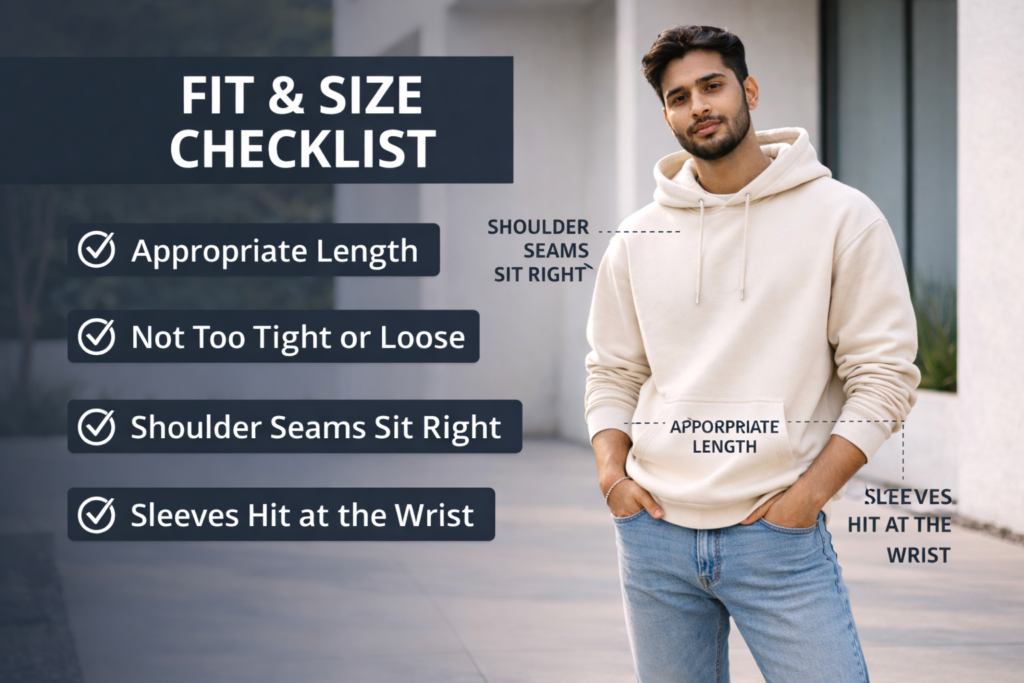
Fit & Size Checklist: The Foundation of Good Clothing
Fit can make or break a garment, even if the fabric and design are great.
Shoulder Fit
- Seams should sit exactly on your shoulders
- Too tight restricts movement; too loose looks sloppy
Length Check
- Tops should cover the waist comfortably
- Trousers should fall cleanly without bunching
Sleeve Fit
- Sleeves shouldn’t pull when you move
- Cuffs should sit naturally at the wrist
This clothing fit guide ensures comfort, confidence, and a clean look.
Fabric Quality Indicators You Must Know
Fabric determines how long a garment lasts and how it feels on your skin.
How to Check Fabric Quality:
- Touch test: Good fabric feels smooth and substantial
- Light test: Hold it against light—overly sheer fabrics wear out faster
- Stretch recovery: Stretch gently; it should bounce back
- Breathability: Natural fabrics allow airflow
Understanding how to check fabric quality helps you spot premium garments instantly.
Stitching & Finish: What to Check Before You Buy
Poor stitching is a major sign of low-quality clothing.
Key Things to Inspect:
- Even, tight stitches with no loose threads
- Reinforced seams in high-stress areas
- Clean hems and finished edges
- Straight lines around collars and cuffs
These details form a critical part of any garment quality checklist.
Colour & Pattern Selection Based on Use
Choosing the right color isn’t just about taste—it’s about practicality.
Smart Colour Tips:
- Dark colors for daily wear and work
- Light shades for casual or summer use
- Avoid overly trendy prints for long-term use
Check if colors bleed by lightly rubbing with a damp cloth. Good garments retain color after washing.
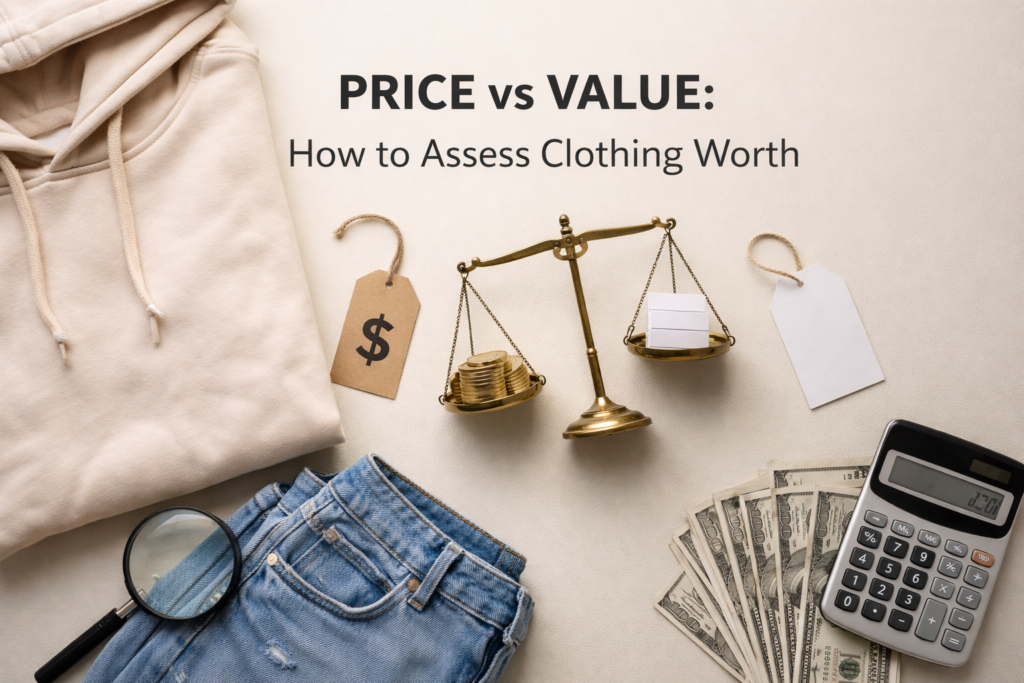
Price vs Value: How to Assess Clothing Worth
A higher price doesn’t always mean better quality but ultra-cheap clothing often cuts corners.
Ask Yourself:
- Will this garment last multiple seasons?
- Is the fabric durable and easy to maintain?
- Can it be styled in multiple ways?
Understanding things to consider before buying clothes helps you focus on value, not just price.
How Shree Karni Ensures Quality You Can Trust
At Shree Karni, quality is never an afterthought. Each piece is designed with:
- Carefully selected fabrics
- Precision stitching and finishing
- Consistent sizing standards
- Comfort-focused tailoring
This commitment ensures customers receive garments that meet high durability, fit, and style standards every time.
Conclusion
A smart wardrobe starts with smart decisions. This buyer’s guide to garments gives you everything you need to evaluate quality, fit, fabric, and value before spending your money. Use this checklist consistently, and you’ll build a wardrobe that lasts—not one that disappoints.
FAQ’s
1. What is a buyer’s guide to garments?
A buyer’s guide to garments is a detailed resource that helps shoppers understand what to look for before buying clothes. It covers fit, fabric quality, stitching, color, and price-to-value checks to ensure smart and long-lasting purchases.
2. What should I look for before buying clothes?
Before buying clothes, you should check:
- Proper fit and size
- Fabric quality and breathability
- Stitching and finishing
- Color durability
- Price versus long-term value
3. How can I check garment quality?
You can check garment quality by inspecting the fabric texture, stitch density, seam strength, colorfastness, and overall finish. High-quality garments feel durable, maintain shape, and show clean construction.
4. How do I know if a fabric is good quality?
Good-quality fabric feels smooth, breathable, and firm. It recovers well after stretching, doesn’t look overly sheer, and holds its shape. Natural fibers generally offer better comfort and durability.
5. Why is fit important when buying garments?
Fit is important because even high-quality fabric looks unflattering if it doesn’t fit properly. A good fit improves comfort, appearance, and confidence while allowing ease of movement.